
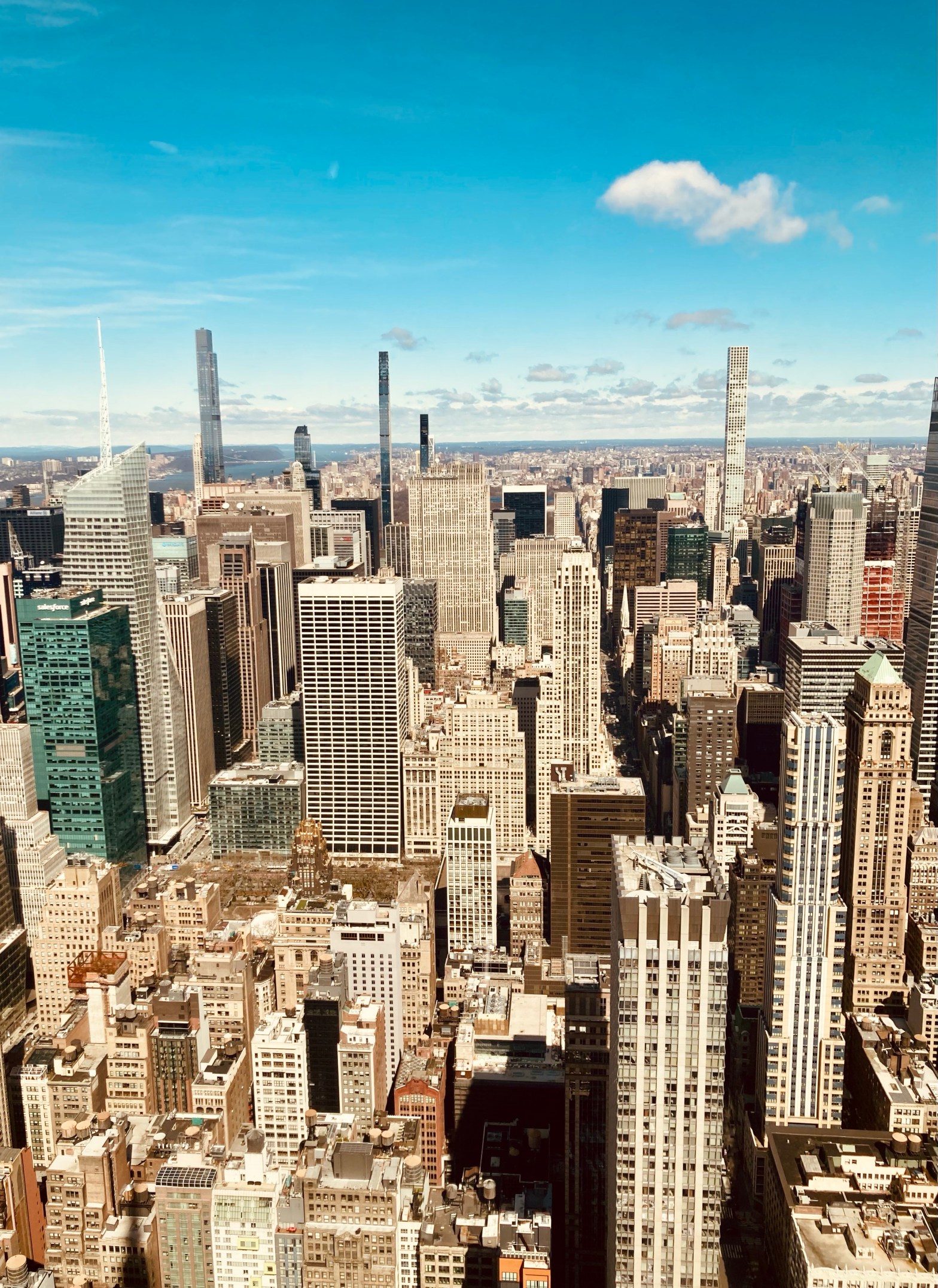
…I know there’s a subway handy, or a record store or some other sign that people do not totally regret life…
Frank O’Hara, Meditations in an Emergency (1957)
New York is a magical place; it is a city that is greater than the sum of its parts. Walking New York is like swimming in serendipity, the city will provide you with what you need (as long as you have enough money to take it, and what you need isn’t a social security net). Moments present themselves to you like gifts: Spiderman getting into your subway car declaring war on Batman down the lens of a video camera; stumbling across the mayor in a thrift shop buying a new tie; a Pitbull speeding across Union Square pursued by someone screaming ‘chase that dog!’ (all experiences I had in the space of a couple of days). Maybe it is inevitable that when a diverse population of eight million people are packed onto a small island the place will be galvanized with culture and happenstance, but there is something delicious about the spirit of New York that is more than just a cornucopia of stuff. This sentiment was captured perfectly by Frank O’Hara when he observed New York is full of signs that ‘people do not totally regret life’, and the life-force of the city really is almost tangible. Given all of this, my first piece of travel advice for New York is to just walk around and see what it throws at you. Failing that, here are a few recommendations for some things to do in a few of my favourite New York neighbourhoods.
Broadway and The West Village
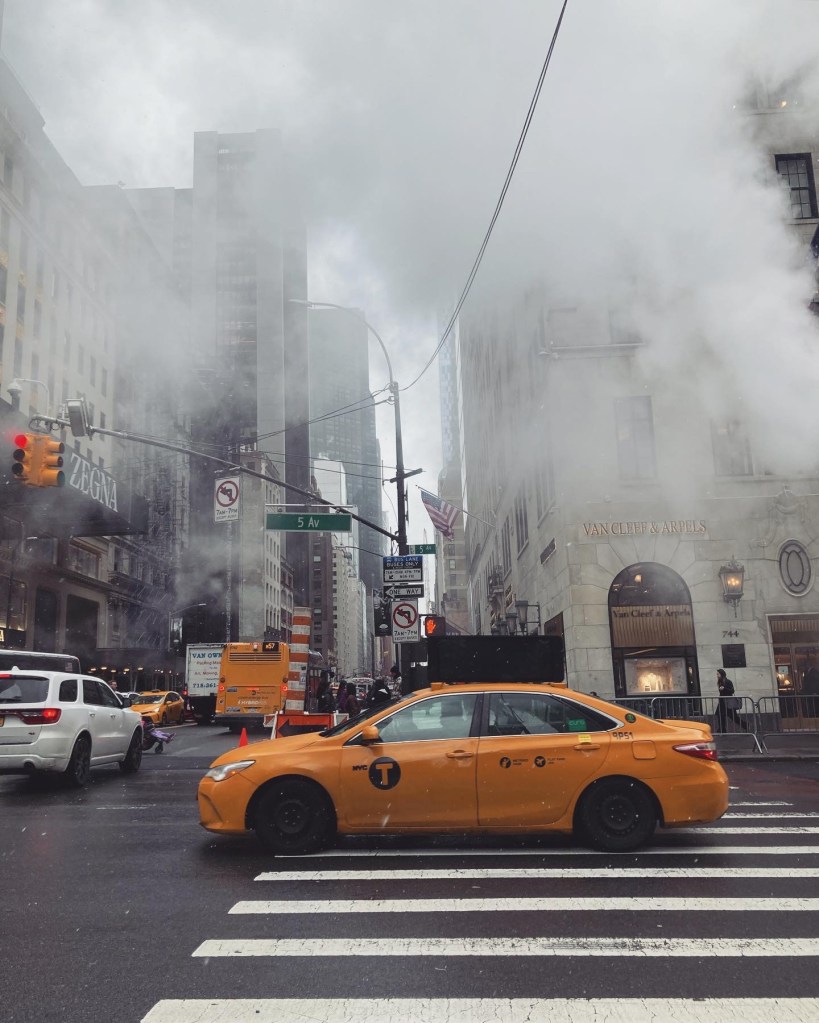
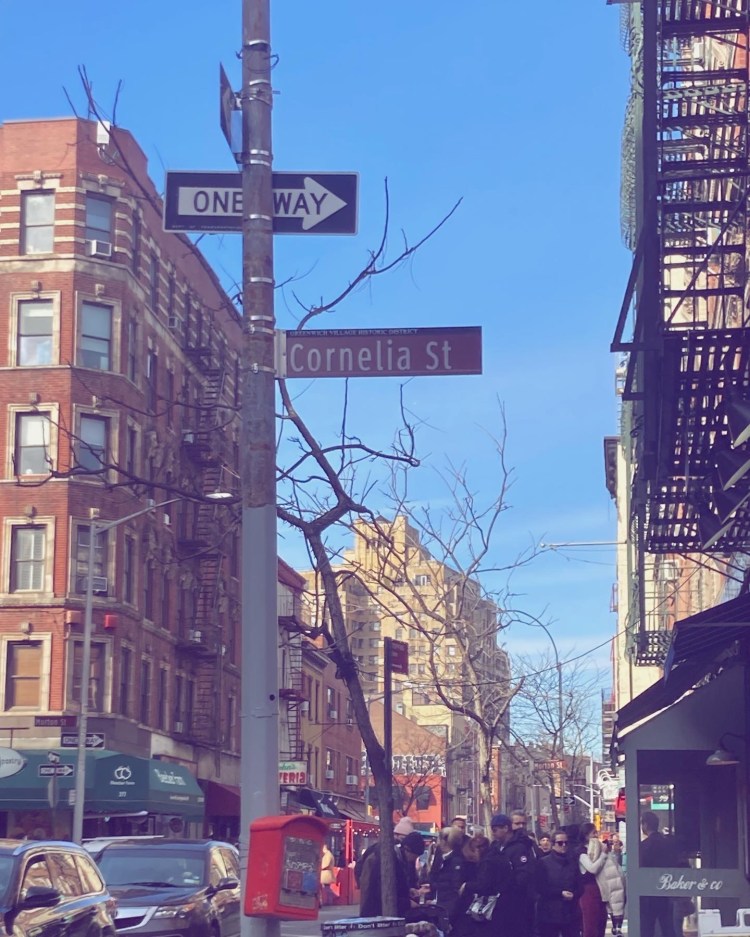
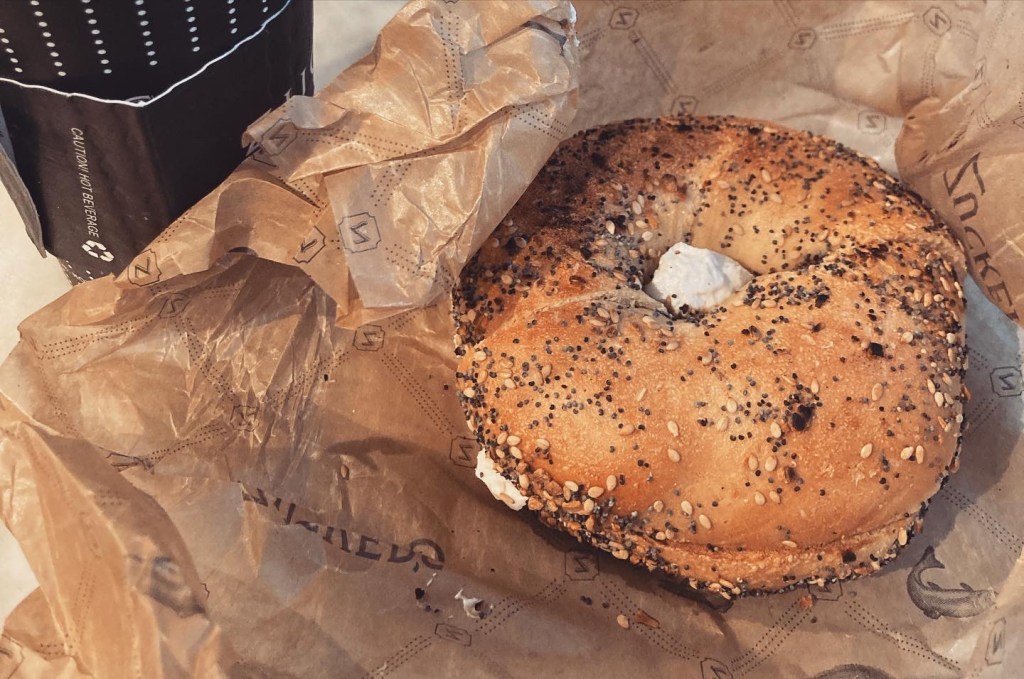
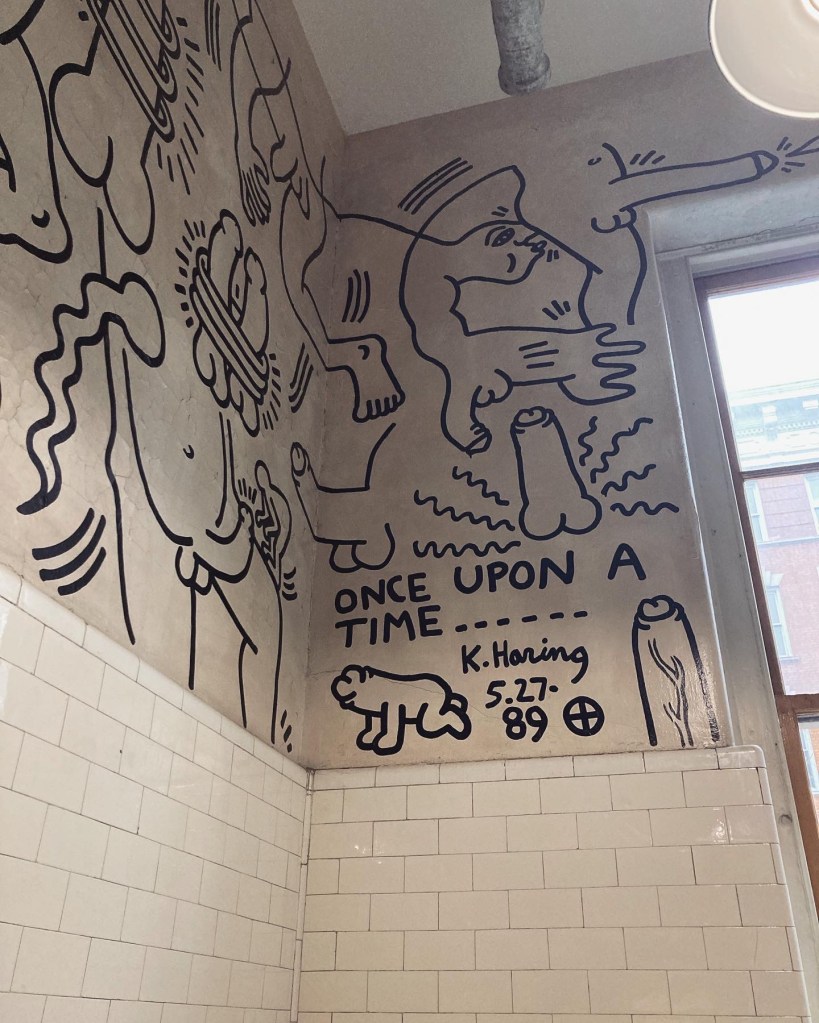
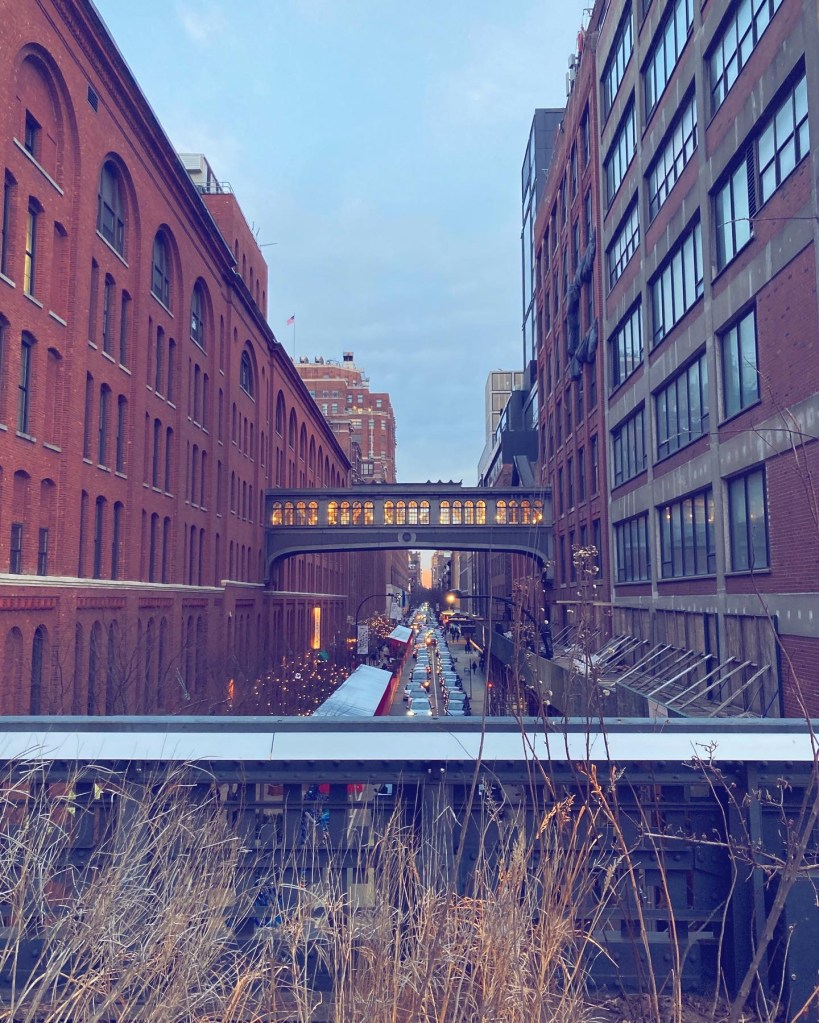
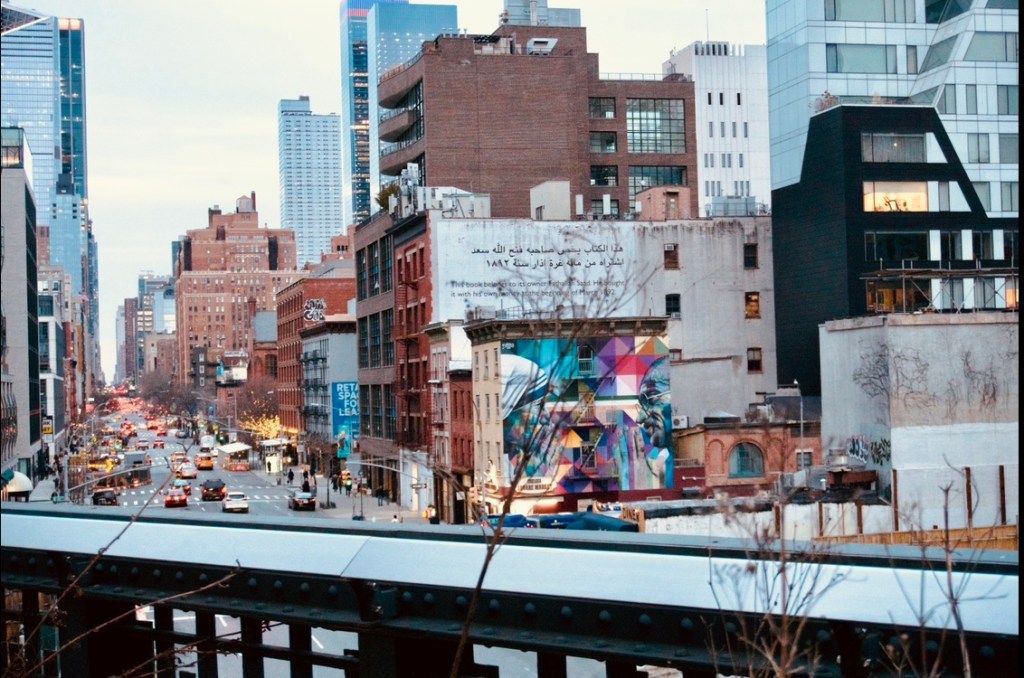
My perfect day in New York would usually start at Zucker’s Bagels. Zucker’s has locations all over the city, but for me Fulton Street is the best (and I have tried them all). Almost every day in New York I would get a toasted everything bagel with tofu schmear and an oat milk coffee, and be at peace with the fact that this moment would inevitably be the very best part of my day. There is no better feeling than sipping on a coffee, surrounded by the smell of toasted bagels, with the unbounded potential of a day in NYC ahead. After eating the bagel, I would take my coffee for a walk up Broadway. Broadway is the anomaly of NYC’s neat grid system, it smashes through the city and the odd shapes and angles it produces result in architecture like the famous Flat Iron building. If you walk its entirety, Broadway will provide opportunity to see the most famous of NY’s buildings: The World Trade Center, The Empire State, and glimpses of The Chrysler. Above Houston Street and west of Broadway is Greenwich village. Entering Greenwich village via 4th street will lead straight to Washington Square Park – a brilliant, shared space that New Yorker’s use for a huge array of activities (dog walking, chess playing, reading, skateboarding, selling art and crafts and weed, once I saw somebody dressed up as Scream being filmed dancing for what I can only assume was a student project). While in Greenwich village it is well worth your while to visit the LGBT Centre on west 13th street, this centre was the location for many of the early ACTUP (Aids Coalition to Unleash Power) meetings, and is home to some incredible wall art including Keith Haring’s Bathroom. On the second floor there is also a fantastic queer bookshop with a great selection of zines. Just west of here is Chelsea Market, where you can find delicious food and great indie shops. Fresh Noodles usually has a queue, but it’s worth the wait. Also in this area is The Whitney — a fantastic modern art museum that is much less over-facing than The Met. Just outside the Whitney you can get onto the High Line — an old above line rail track converted into a park with fantastic views of the city, the perfect place to watch the sun set.
Other mentions: McDougal Street, thrifting (Beacon’s Closet, Buffalo exchange), Chelsea Flea Market, Little Island.
The East Village
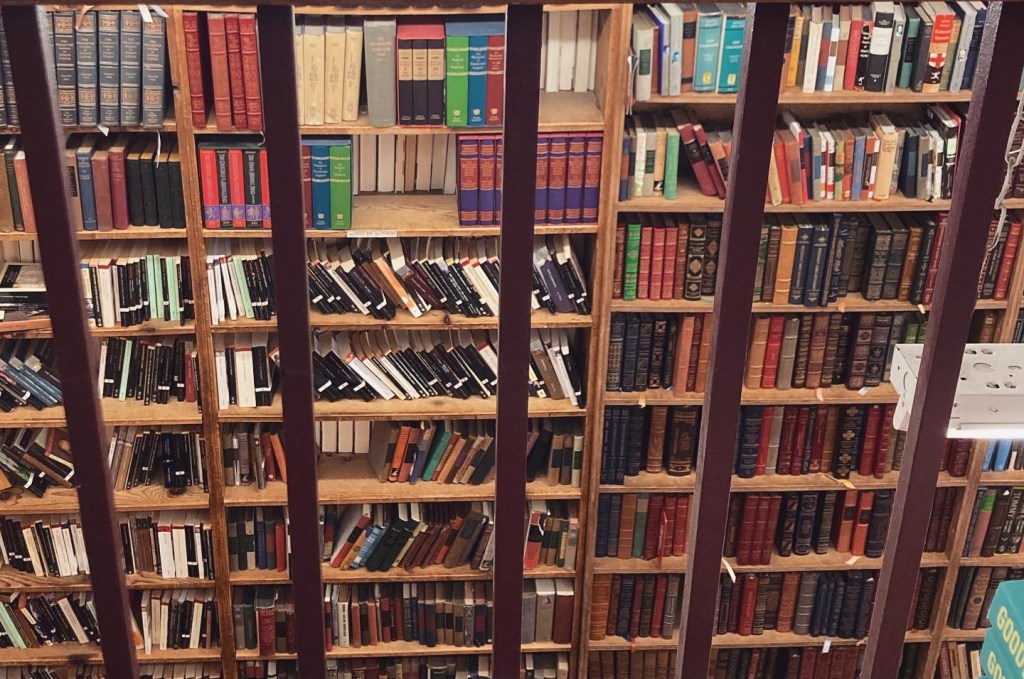
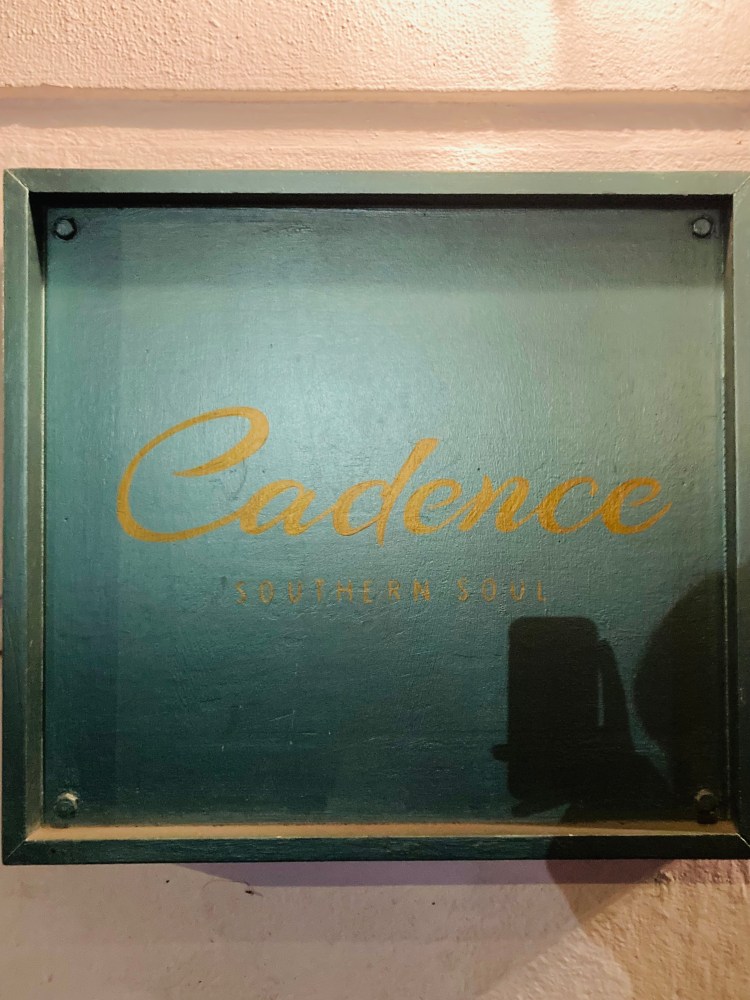
Although gentrification is an ever-present force in the East Village (and all of NYC), this neighbourhood has held onto the spirit of its bohemian past. Wonder/wander around for a couple of hours to take it in; explore thrift stores (like L Train Vintage on 1st Ave) or browse the shelves at East Village Books (St Mark’s Place). St. Mark’s Place and Astor Place are steeped in cultural history and are great areas to flaneur, look up at the architecture and find pockets of mosaic in pavement cracks. Just on the outskirts of the East Village, at the corner of Broadway and 12th Street, is Strand Books where you could spend (literally) hours browsing their 18 miles of new and used books. The Strand is also just across from Union Square, which is home to one of the cities many dog runs — sitting on a bench in the sun and watching dogs playing together is truly elating. The East village is full of places to eat and drink — for brunch The Butcher’s Daughter on Kenmare Street has a friendly and relaxed atmosphere, and delicious vegetarian food. For dinner, Candence restaurant serves incredible vegan soul food that feels both comforting and elegant. If you are looking for something more casual, grab a slice to go from 2 Bros. pizza on St. Mark’s Place.
Other mentions: Tenement Museum, Katz’s Delicatessen, Tomkins Square Park
Lower Manhattan
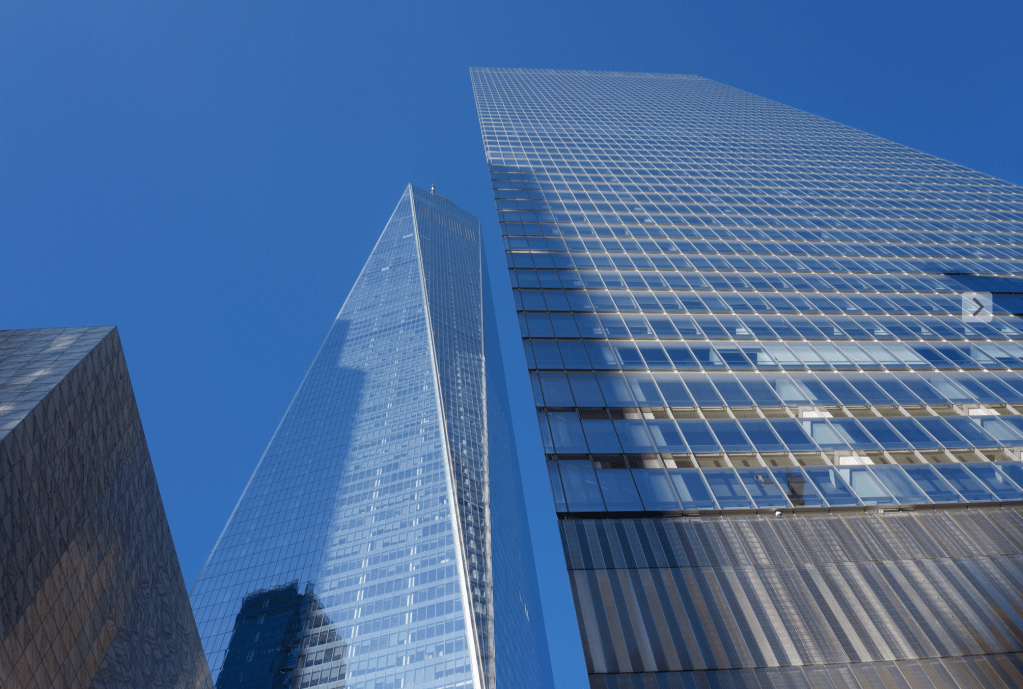
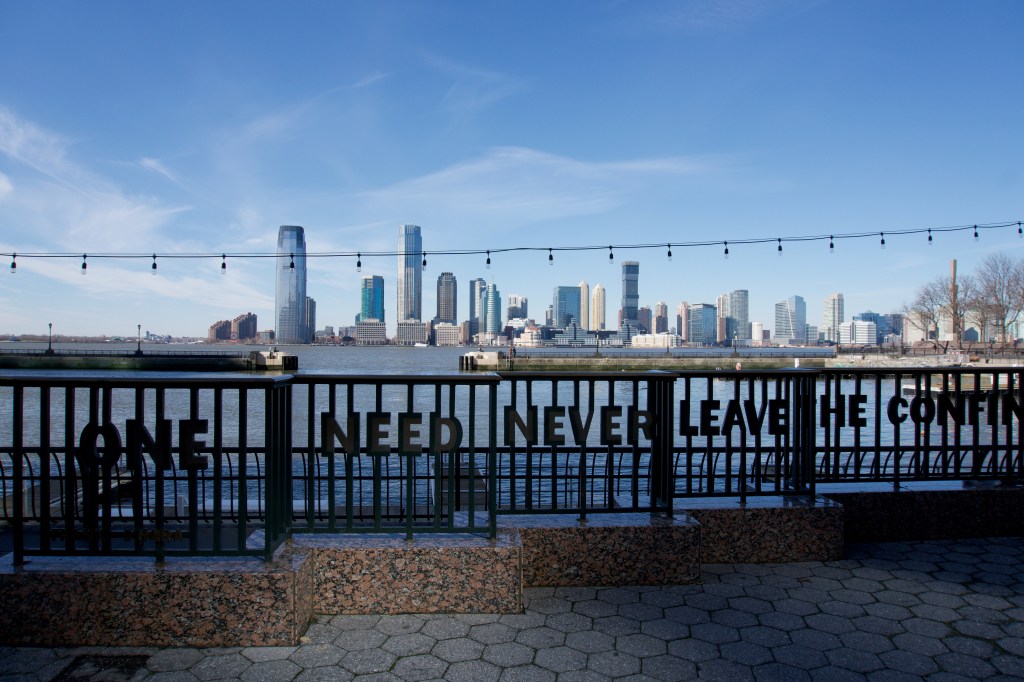
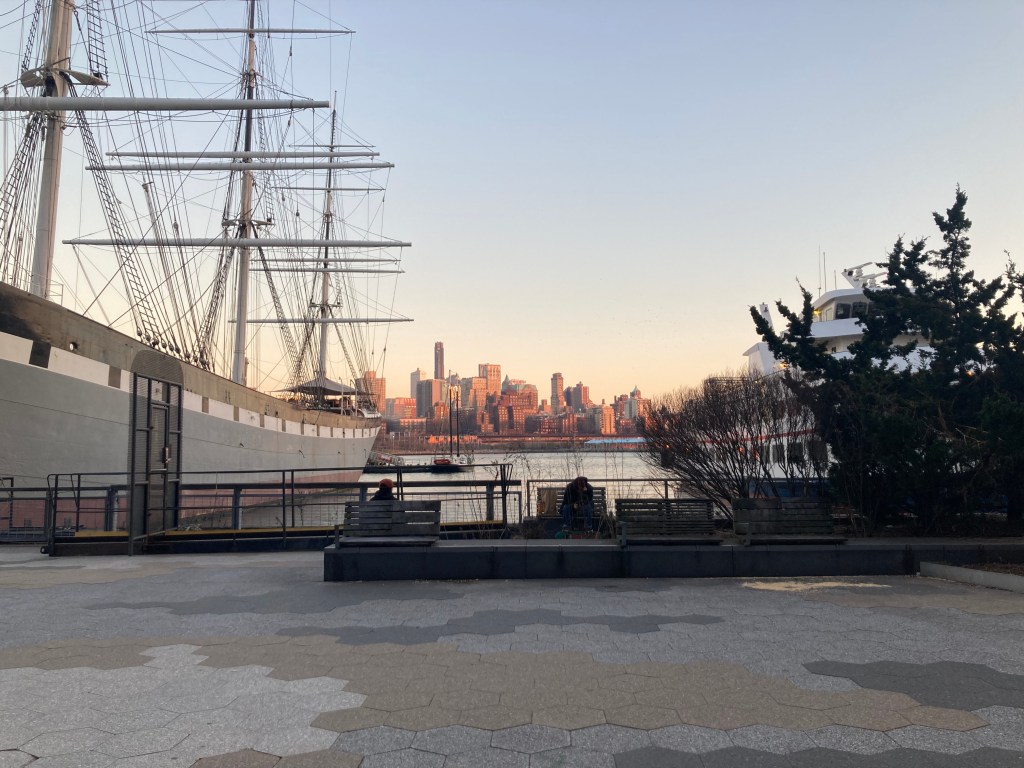
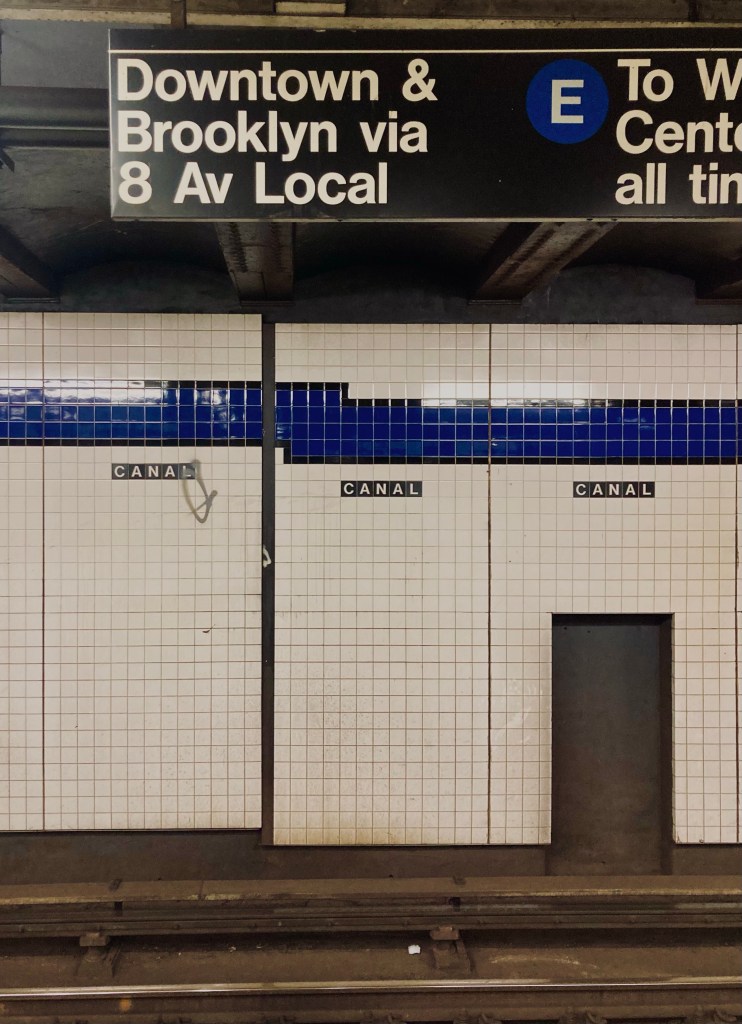
Lower Manhattan is a collage of smaller neighbourhoods, each with their own unique personality and architecture (SoHo, TriBeCa, FiDi, Seaport, The Battery, China Town, and Little Italy). There is an abundance of amazing places to eat in TriBeCa: Tamarind on Hudson Street serves incredible Indian food. Between SoHo and TriBeCa is Canal Street, home to Canal Street Market where you can shop (clothes, jewellery, art, and crafts) and eat (a range of cuisines) from independent businesses. Canal Street also separates Little Italy (north) and China Town (south). Both neighbourhoods are interesting to explore – China Town is exceptionally colourful, the streets are adorned with lanterns and decorations. Seaport has great views across the East River to Brooklyn and is a quiet area to shop and eat (and get a boat if you feel inclined). Cowgirl SeaHorse is a great Seaport spot for pancakes and a very quirky interior. Trinity Church is an historic stone building with a backdrop of Wall Street skyscrapers in the Financial District. Further south in FiDi is Stone Street, a rare cobbled street with bars and restaurants, slightly off the beaten path so a good spot for avoiding crowds of tourists. Battery Park is the southern tip of Manhattan and looks out to the Statue of Liberty, from here you can walk up the Hudson River to see the Frank O’Hara and Walt Whitman poetry railings at Battery Park City. Just inland of the railings is the 9/11 memorial — I underestimated how extremely affecting this memorial would be to visit (there will be tourists there taking tactless grinning selfies with the memorials — don’t be one of them). The survivor tree which was pulled from the rubble at 9/11 also sits on this site, and is a powerful symbol of resilience.
Other mentions: New York City Hall, Woolworth building, Ghostbuster’s Fire Station
Midtown and Central Park
**note: Some of this section may appear negative in tone – I love ALL of New York, and part of loving New York is becoming jaded and talking unfavourably about midtown, but midtown in NYC (even if it is a tourist trap capitalist hell) is still better than pretty much anywhere else**
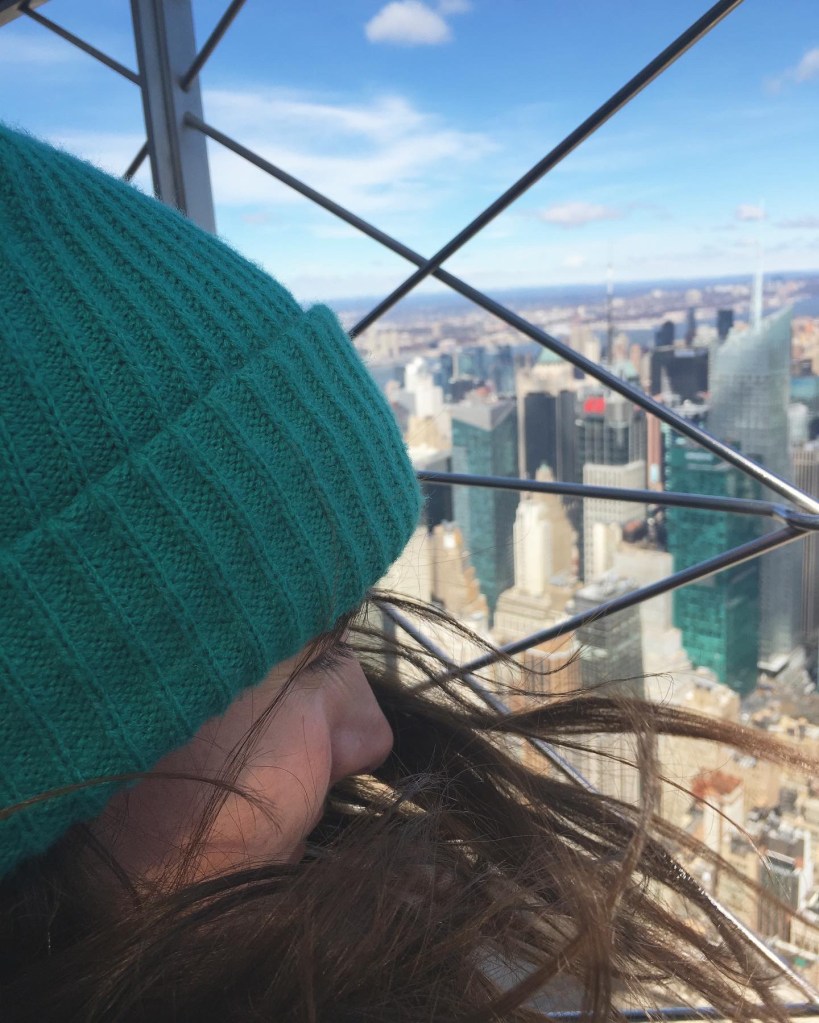
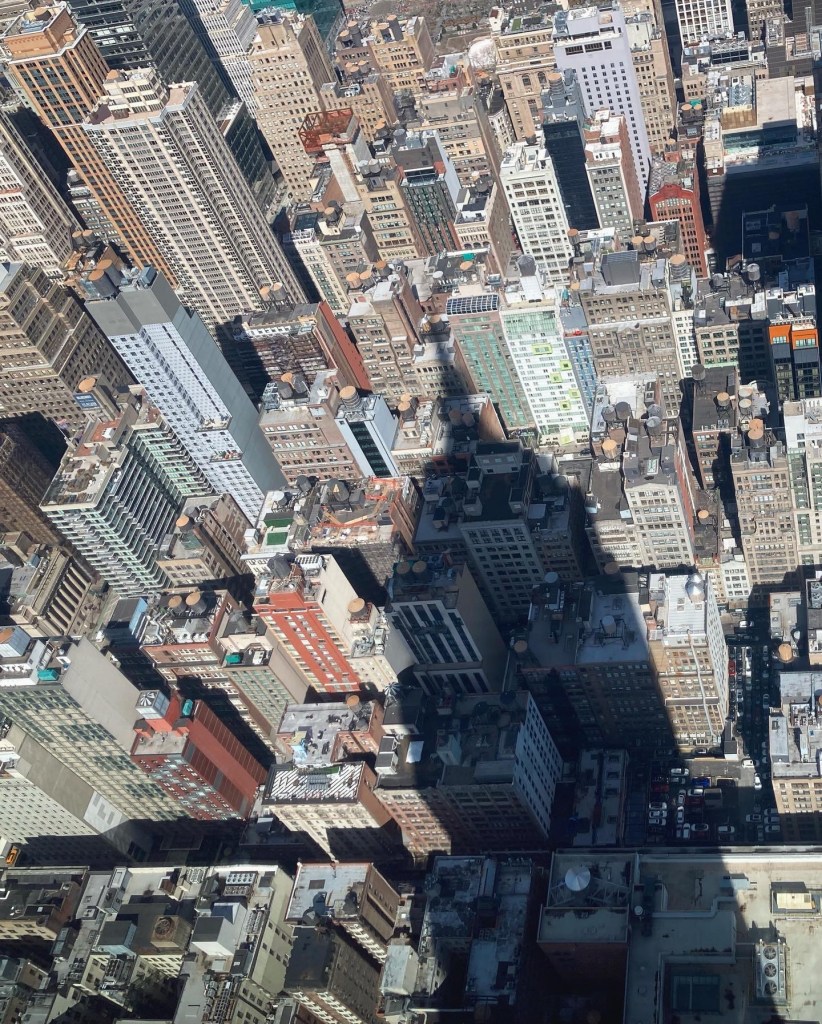
Midtown is not for the fainthearted. The only rational reason to go to Times Square is to say you’ve been, which you should do at least once (but then make a note not to go back). The views from the top of the Empire State building are incredible and you should absolutely go up, but you will have to wait in line for a long time and you will have to pay a lot of money. The main building of New York Public Library is beautiful and free to enter, The Treasures exhibit is full of incredible artifacts — objects so closely entwined with canonical stories that it is hard to believe they really exist. These objects include the original Winnie-the-Pooh bear, and a walking stick belonging to Virginia Woolf (that she left at the river side before her suicide), seeing this was genuinely haunting. The best way to arrive at the library is to get a subway to Grand Central Station (take it in and have your Gossip Girl moment) and then walk up East 41st Street to follow ‘Library Way’ — a trail of quotes from literary figures on beautifully designed plaques that will lead you straight to the library entrance.
The east side of Central Park holds the most famous New York Museums. The Met is spectacular and unbelievably vast (almost sickeningly so), so it is best to accept that unless you spend all week there you won’t see everything. I would suggest either focusing time on the parts of the museum that most interest you or doing a speedy walk around the whole thing to take in the immense size of it all. Your Met ticket will also get you in to The Met Cloisters, which is absoloutly stunning and on a sunny day will almost trick you into thinking you are in Europe. Fort Tryon Park surrounding The Cloisters also has some really spectactular views. The Guggenheim is smaller and very well curated, you can spend time here and really appreciate their permanent collections and temporary exhibits. MoMA is big enough to spend a whole day exploring, but not so big that it will overwhelm you — it hits the Goldilocks Zone of museums. MoMA also has a fantastic design shop if you are looking to spend money. On the west side of the park is The American Museum of Natural History, like every natural history museum I have ever been to, the museum itself feels like a relic (but in a beautifully nostalgic way, not a critically underfunded way (looking at you Smithsonian NHM)). It is worth paying the extra for the planetarium.
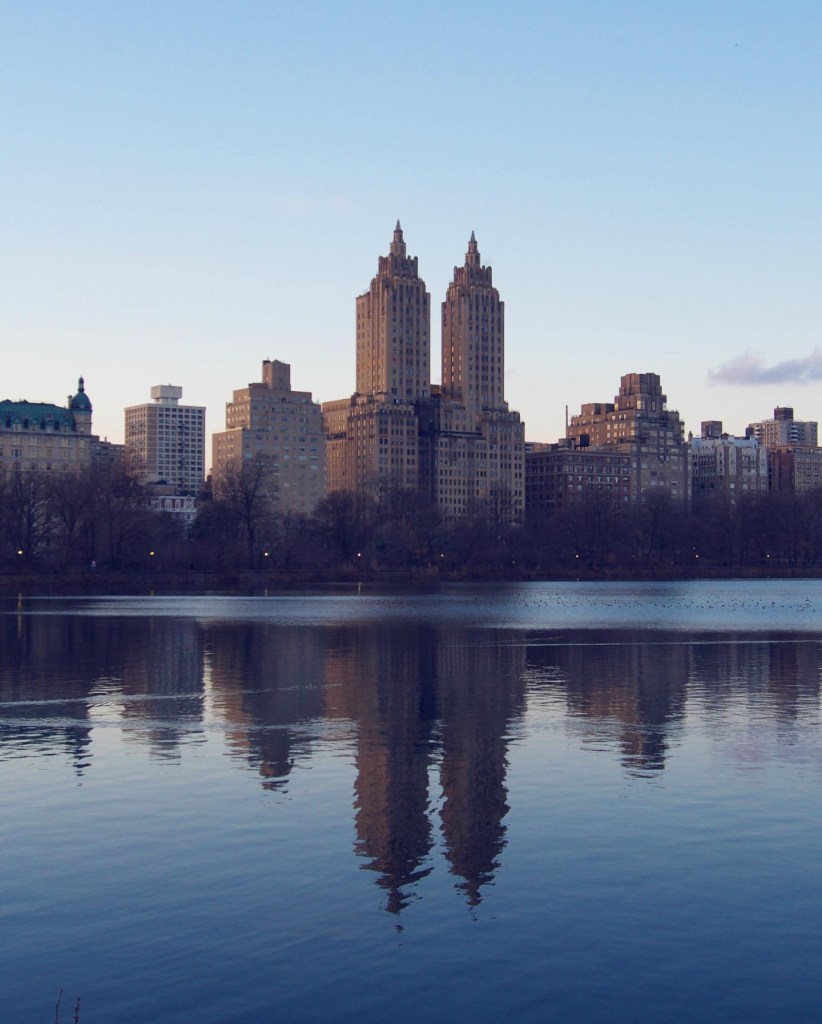
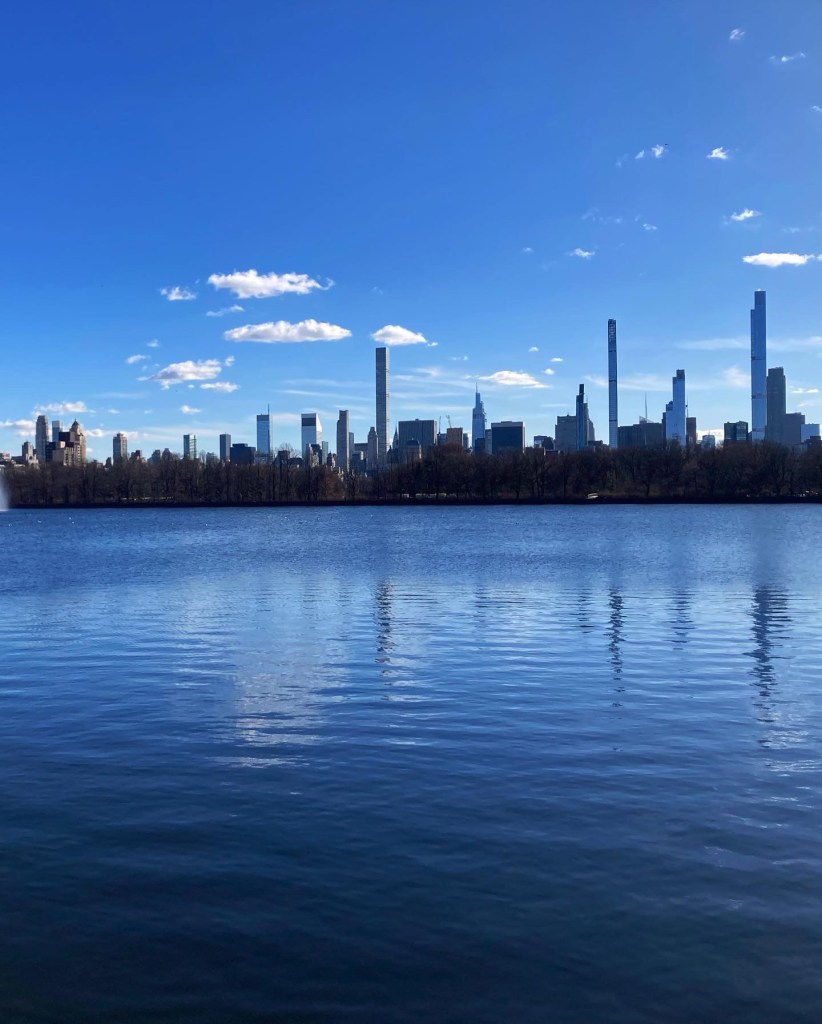
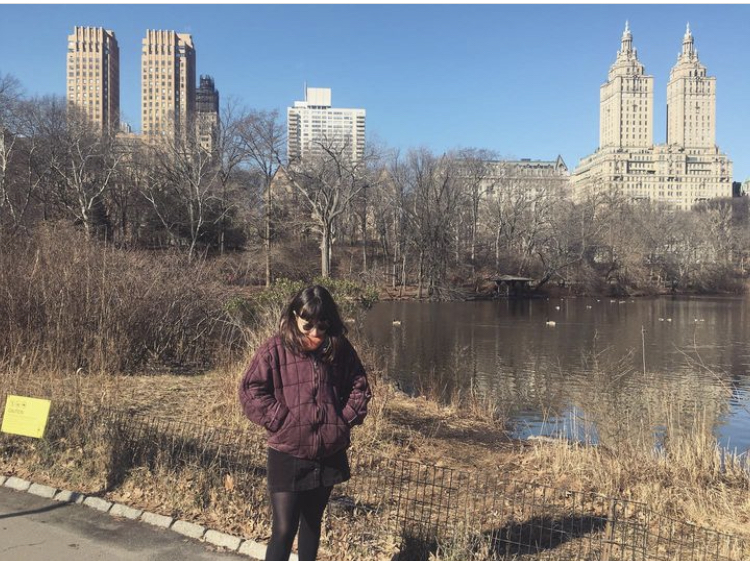
Central Park is truly magical (but not because a green space has survived the encroachment of the metropolis under capitalist pressures, the value the park adds to the surrounding property more than makes up for lost development possibilities). Central Park is magical because it is full of peppercorns of joy waiting to be discovered, and although you will almost undoubtably be offered a carriage ride upon entry, it is a place in midtown that you can spend hours enjoying for free. Each gate to the park is named, before you go pick one that you like the sound of to walk through and you will always remember it, mine was The Artists’ Gate (in the middle of the southern side of the park between Columbus Circle and Grand Army Plaza). Walk around The Ramble and forget you are in a city, listen to a busker at Strawberry Fields with a bagel in hand (see Zucker’s on Columbus Ave), spot birds in Shakespeare’s Garden, see the Alice in Wonderland Statue, and visit the penguins at Central Park Zoo.
Other Mentions: The Morgan Library, Museum of the City of New York, Bryant Park, The Dakota Building, Central Park Mall
Brooklyn
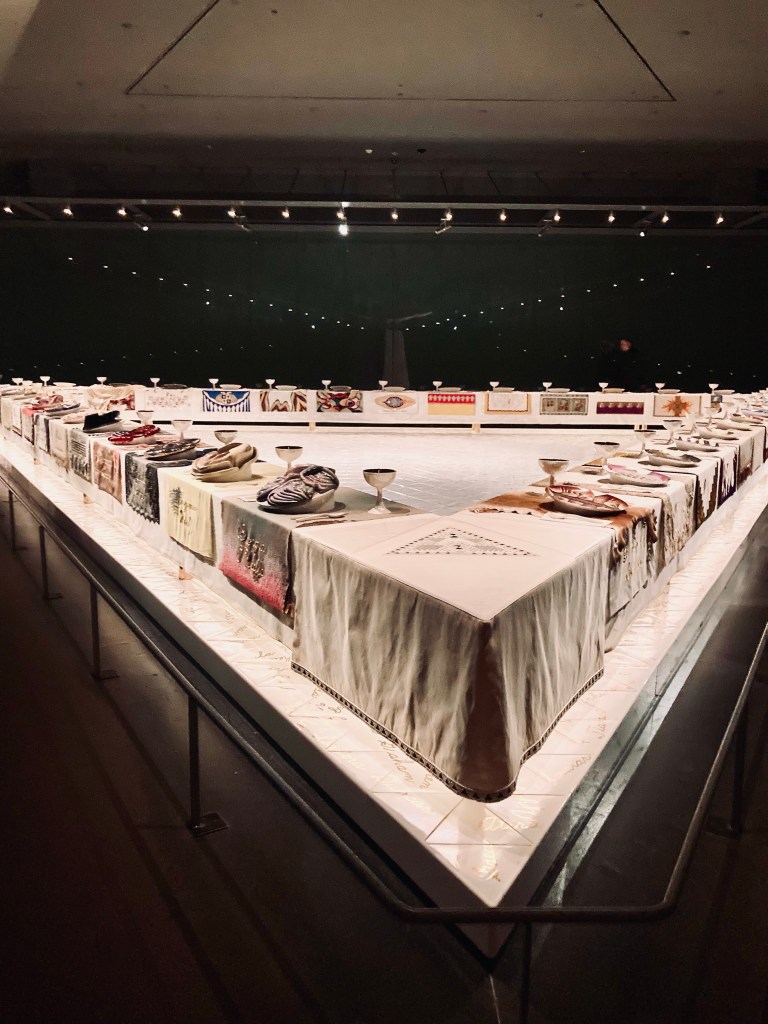
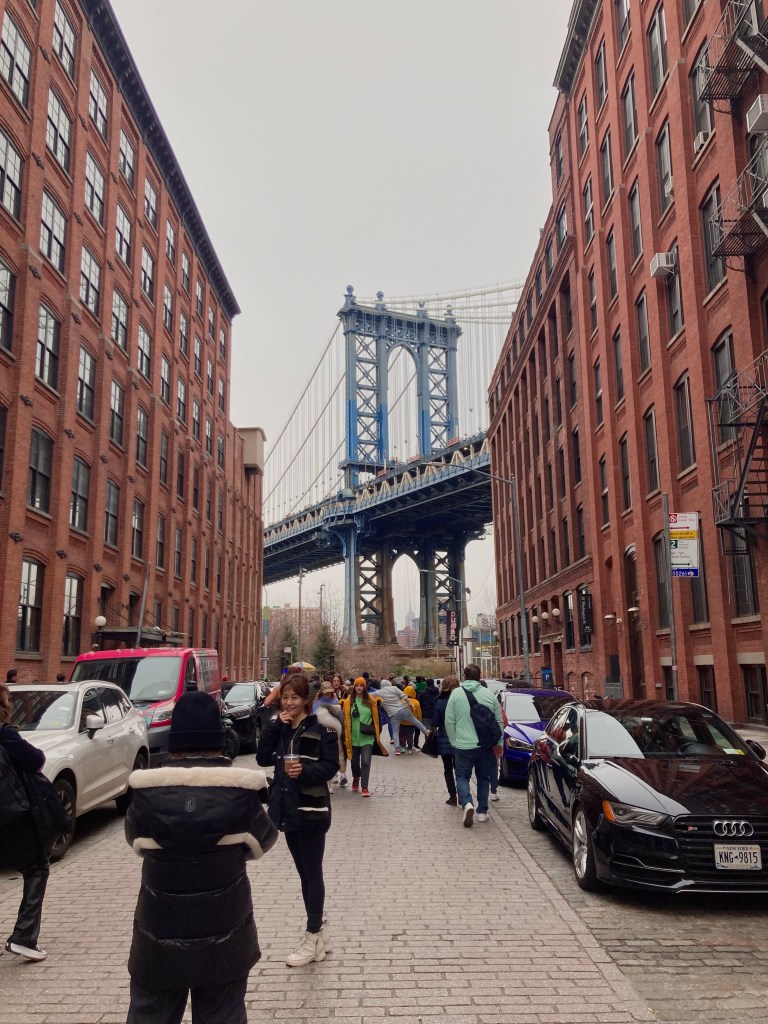
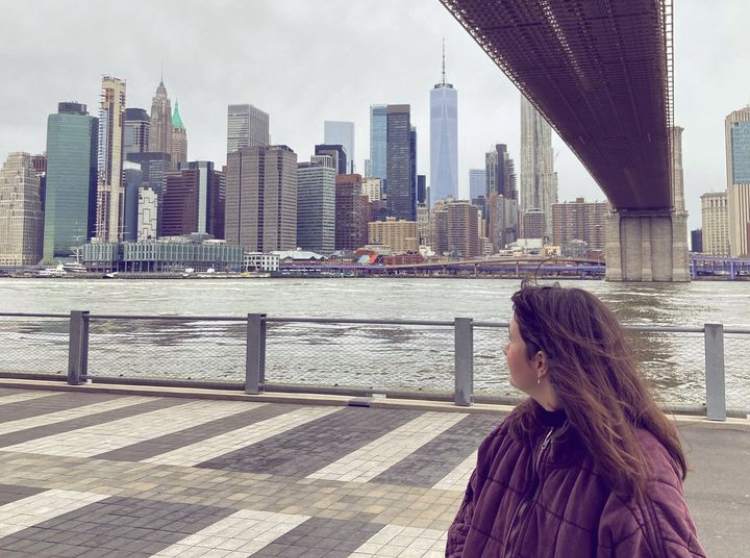
Brooklyn sits across the East River from Manhattan and can easily be accessed by subway or the Brooklyn Bridge. It has its own beautiful style of architecture; the tall brownstone houses of Brooklyn Heights are iconic. Brooklyn Museum is a great place to get a cultural fix away from the madness of midtown Manhattan. It is home to a huge collection, but it is worth visiting just to see Judy Chicago’s The Dinner Party — an inspired feminist art instillation featuring bespoke table settings for feminist figures from throughout history. The museum also currently has an incredible retrospective showcasing the work of photographer Jimmy DeSana. Prospect Park is adjacent to the museum, an impressive green space created by the same designers behind Central Park. Another Brooklyn neighbourhood worth visiting is Williamsburg. Williamsburg is full of Indie shops (CatBird jewellery is a favourite), thrift stores, bookshops (Spoonbill & Sugartown is excellent), and cafes. The waterfront in Williamsburg offers great views of the East River and Manhattan, and is usually quieter than observation spots towards the bridge. DUMBO (Down Under Manhattan Bridge Overpass) is a small neighbourhood in Brooklyn, but it has a lot to offer. There are lots of independent shops to visit — powerHouse books in the heart of DUMBO, has a great section of titles, including lots of their own publications. Pebble Beach sits on DUMBO’s waterfront and is another great place for views of the city. DUMBO is also home to Timeout Market, which offers food from some of the best chefs in New York – it can sometimes be hard to get a table, but they serve food that is worth standing for.
Walking back to Manhattan over the iconic Brooklyn Bridge is a great way to take in the city skyline. The snippets of ‘Empire State of Mind’ being played by vendors will make it a truly magical moment (at least the first half a dozen times you hear it). Brooklyn Bridge is the best of the bridges for walking, but if you are in the mood for a longer stroll then going over Brooklyn Bridge, along the East River and then back across the Manhattan Bridge is an experience.
Other Mentions: Brooklyn Heights Promenade, Pier 4 beach
In this post I have alluded to the fragments of New York I was able to experience in the few weeks I spent there. There are lots of places I loved that I haven’t mentioned, places I still want to visit, and I’m sure a near-infinite number of places I don’t even know exist. Go to New York with an open mind and comfortable shoes and you won’t have any problem finding adventure.
 ELLEN APPLETON